China’s Top 10 Tyvek sterilization packaging suppliers deserve careful comparison. Product quality matters, but shelf life depends on more than the Tyvek material itself. It also depends on sterilization methods, sealing strength, storage conditions, transport, and handling.
What is the shelf life of Tyvek sterilization packaging? There is no universal number. Many manufacturers describe shelf life as event-related rather than strictly time-based. A sealed pouch may remain protective for years when stored in a clean, dry room. However, a crushed corner, weak seal, moisture exposure, or repeated movement can compromise the sterile barrier much earlier. Small details matter.
Medical packaging consultant James R. Linder explains, “Shelf life is a performance question, not merely a calendar date.” This practical view supports ISO 11607-based evaluation, including seal integrity, material aging, and package performance after distribution simulation. Buyers should request real-time aging data, accelerated aging evidence, seal-strength results, and clear storage recommendations from each supplier.
This is where comparisons can become imperfect. A supplier may report five years, while another reports event-related shelf life. These statements are not automatically contradictory. They may reflect different validation plans, product designs, or risk assessments. Humidity matters. So does warehouse discipline.
The China Top 10 list should therefore examine documented validation, traceability, production consistency, and technical support. Price alone is a weak indicator. A package that looks intact may still deserve inspection before use. The safest conclusion is cautious: Tyvek packaging shelf life must be validated for its complete system, not guessed from the material name.
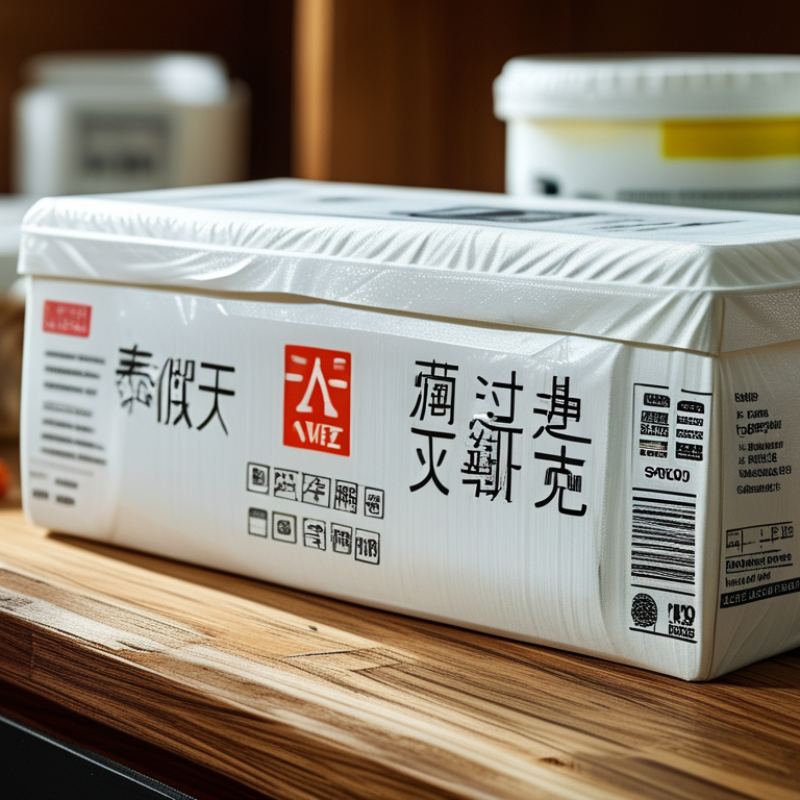
China Top 10 Tyvek Sterilization Packaging Shelf Life?
What Is the Shelf Life of Tyvek Sterilization Packaging?
Tyvek sterilization packaging does not have one universal shelf life. Its usable period depends on material quality, sealing performance, sterilization exposure, storage conditions, and handling frequency. Many facilities assign a defined period, such as one to five years, after validation. However, time alone does not prove sterility. A package may remain acceptable longer, or fail earlier if its seal is weak.
In practice, inspect every pouch before use. Check for punctures, wrinkles across the seal, moisture, discoloration, and loose edges. A dry, clean storage room helps protect the package. Keep supplies away from sunlight, dust, sharp shelves, and frequent movement. Use the oldest validated stock first. This sounds simple, but rushed handling often causes hidden damage. A clean-looking pouch can still have a small seal defect.
Tips: Record sterilization dates and lot details. Review the facility’s validated shelf-life policy. Reject packages with uncertain integrity. Do not rely on appearance alone. Humidity readings and routine seal checks provide stronger evidence. When storage conditions change, reassess the shelf-life decision rather than keeping an old assumption.
China Top 10 Tyvek Sterilization Packaging Shelf Life
Across China’s leading ten Tyvek sterilization packaging suppliers, shelf life is usually defined through validation, not a fixed calendar promise. Their technical teams examine seal strength, microbial barrier performance, material aging, transport damage, and storage conditions. ISO 11607-1:2019 requires the sterile barrier system to maintain sterility until the point of use. Therefore, suppliers normally support claims with real-time aging and accelerated-aging studies.
ASTM F1980 commonly uses a Q10 value of 2 for accelerated aging calculations. In practical terms, a 55°C study may estimate longer storage exposure at room temperature. However, this estimate is not proof by itself. Packaging suppliers often combine it with seal-integrity testing, visual inspection, and microbial challenge results. AAMI ST79 also supports event-related shelf-life thinking, where sterility depends on package condition rather than time alone.
Storage details matter greatly. A clean warehouse, stable humidity, and protection from sunlight reduce packaging stress. A crushed pouch, wet carton, or repeated handling can end shelf life early. That point is often underestimated. Some supplier documents state three to five years, yet the actual period depends on product design, sterilization method, and customer validation. This is where claims become less comfortable. Accelerated aging is efficient, but real-time evidence remains more convincing. Buyers should request test protocols, sample sizes, acceptance criteria, and storage limits before accepting any shelf-life statement.
| No. | Shelf-Life Dimension | Industry-Accurate Benchmark or Practice | How Shelf Life Is Established | What Buyers Should Verify |
|---|---|---|---|---|
| 1 | Sterility Maintenance | Shelf life is generally treated as the period during which the sterile barrier system maintains sterility under specified storage and handling conditions. | The expiry date should be supported by sterile barrier system validation, package integrity testing, and documented risk assessment. | Confirm that the stated shelf life applies to the complete packaged product, not only to the Tyvek lid or pouch material. |
| 2 | Common Dating Approach | Many medical-device packages use a validated fixed period, commonly between 2 and 5 years, although no universal period applies to every design. | The period is selected from real-time aging data, accelerated-aging results, package design, sterilization method, and intended distribution conditions. | Request the validation rationale rather than accepting a standard shelf-life number without supporting records. |
| 3 | Accelerated Aging | Accelerated aging can support preliminary shelf-life claims by exposing packages to elevated temperature for a calculated equivalent aging period. | The calculation should state the aging temperature, duration, relative-humidity assumptions where applicable, and the model used, such as the Arrhenius approach. | Check that accelerated aging is followed by package integrity and seal-strength testing. |
| 4 | Real-Time Aging | Real-time aging at labeled storage conditions provides direct evidence for the claimed shelf life and is normally continued after launch to confirm ongoing performance. | Samples are stored under defined conditions and periodically tested for seal integrity, material condition, microbial barrier performance, and visual defects. | Ask whether real-time aging is complete, ongoing, or only planned as a post-market commitment. |
| 5 | Seal and Closure Performance | The seal must remain continuous and strong enough to resist channel leaks, peeling, puncture, and package opening during the claimed period. | Typical evaluation includes visual inspection, seal-strength testing, dye or bubble leak testing, and integrity testing after aging and sterilization. | Verify validated sealing temperature, pressure, dwell time, equipment settings, and acceptance criteria. |
| 6 | Sterilization Compatibility | Tyvek-based sterile barrier systems are commonly designed for low-temperature sterilization processes such as ethylene oxide, hydrogen peroxide gas plasma, or related validated methods. | Shelf-life studies should use the same sterilization cycle, load configuration, dose or exposure conditions, and packaging configuration intended for production. | Confirm that the supplier did not validate an easier sterilization cycle than the one used for the finished device. |
| 7 | Storage Environment | Typical labeled conditions specify a clean, dry indoor environment protected from excessive heat, moisture, direct sunlight, dust, and chemical contamination. | The supplier should define temperature and humidity limits and assess the effects of transport, warehouse storage, and seasonal conditions. | Compare the package label with the actual warehouse and distribution climate, especially for humid or hot regions. |
| 8 | Transportation and Handling | Shelf life can be reduced by compression, abrasion, vibration, sharp objects, excessive stacking, or repeated handling even when the calendar expiry date has not been reached. | Distribution simulation may include vibration, shock, compression, and drop testing followed by sterile barrier integrity evaluation. | Review shipping-carton design, pallet limits, handling instructions, and post-distribution test results. |
| 9 | Material and Printing Stability | The porous microbial-barrier material, coatings, adhesives, labels, inks, and seals must remain functional and legible throughout the claimed period. | Testing may assess fiber or coating damage, ink adhesion, label readability, discoloration, delamination, and interaction with sterilization residues. | Ensure that labels, indicators, and printing are validated as part of the finished sterile barrier system. |
| 10 | Regulatory and Quality-System Evidence | A defensible shelf-life claim should be traceable to a documented protocol, approved report, change-control process, and applicable sterile packaging standards. | Common references include ISO 11607-1, ISO 11607-2, ASTM F1980, ASTM F88/F88M, and ASTM F1929 or an equivalent validated test method where applicable. | Request the protocol, report summary, sample configuration, test intervals, acceptance criteria, and certificate traceability. |
Sterilization packaging shelf life is not determined by the material alone. In production audits, I often find that sealing quality matters more than the printed date. A clean seal should remain continuous, firm, and free from channels or wrinkles. Small defects can allow contamination after sterilization. They are easy to miss.
Sterilization method also changes packaging performance. Steam, hydrogen peroxide, and ethylene oxide expose packaging to different heat, moisture, and chemical conditions. Repeated processing may weaken coatings, seals, or breathable areas. Storage conditions are equally important. High humidity, direct sunlight, dust, and temperature changes can gradually reduce package strength. A dry, enclosed storage room is safer than an open warehouse near loading doors.
Shelf life should be supported by real-time aging and accelerated aging studies. ISO 11607 principles can guide packaging validation, while ASTM F1980 is commonly used for accelerated aging calculations. However, accelerated results are not a perfect substitute for real-time evidence. That point deserves more attention. Packaging design, seal width, sterilization cycle, transport vibration, and handling habits should all be tested together. A package that passes laboratory testing may still fail after rough distribution. Clear inspection records, batch traceability, and practical storage instructions improve reliability. The final shelf-life claim should reflect evidence, not optimism.
Tyvek sterilization packaging shelf life depends on the complete sterile barrier system, not the Tyvek material alone. Seal quality, pouch design, sterilization exposure, storage conditions, and handling all affect performance. A reliable validation program should examine both accelerated aging and real-time aging.
ASTM F1980 is commonly used to plan accelerated aging studies. It estimates aging under elevated temperatures, but it cannot replace real-time evidence. Samples should undergo conditioning at defined temperature and humidity levels. After aging, testers inspect seals, measure seal strength, and check for channel leaks or material damage. ASTM F88 supports seal-strength testing, while dye penetration or bubble emission methods can help identify package defects.
The study should also consider microbial barrier performance after aging and sterilization. ISO 11607 provides a useful framework for packaging validation and process control. Test samples need realistic loading, sterilization cycles, transport simulation, and repeated handling. Small wrinkles near the seal can become important failure points. They are easy to miss.
A practical shelf-life claim requires documented acceptance criteria, calibrated equipment, and traceable records. Real-time samples should remain in the study for confirmation. One limitation deserves attention: accelerated aging may not reproduce every change caused by humidity, light, or storage movement. Validation teams should review those risks instead of treating a calculated shelf life as permanent.
Accelerated-aging exposure required to represent 1–10 years of real-time storage at 23°C, calculated at 55°C using ASTM F1980 and a Q10 value of 2.
The calculated exposure period is approximately 49 days per equivalent year under these assumptions. ASTM F1980 provides the accelerated-aging framework, while ISO 11607-1 and ISO 11607-2 address sterile barrier system materials, packaging design, and process validation. Final shelf-life claims should also be supported by seal-strength testing, package-integrity testing, distribution simulation, sterilization compatibility, and real-time aging confirmation.
Selecting Tyvek sterilization packaging in China requires more than comparing prices. Match the packaging grade with your sterilization method, device weight, sharp edges, and sealing equipment. Request material specifications, seal-strength data, microbial barrier evidence, and validation records from the supplier. Packaging should comply with recognized medical packaging standards, such as ISO 11607, when applicable.
Shelf life is not a fixed number printed by habit. It depends on package design, sterilization exposure, transport, and storage conditions. A validated study should support the stated period. In China, humid summers and temperature changes can challenge warehouse control. Store unopened packaging in a clean, dry room, away from sunlight, dust, chemicals, and concrete floors. Keep cartons on pallets, with space for air movement. Inspect damaged or crushed cartons before use.
Tips: Use a first-in, first-out system. Record batch numbers and receiving dates. Avoid overstacking. Let cold cartons reach room temperature before opening. Check seals for wrinkles, channels, or incomplete bonding. A common mistake is trusting appearance alone. It feels practical, but barrier performance may still be uncertain. Review storage data regularly, and reconsider the shelf-life claim when conditions change.
No. Its usable period depends on material quality, seal strength, sterilization exposure, storage, and handling.
Look for punctures, moisture, discoloration, loose edges, and wrinkles crossing the seal.
Keep it in a clean, dry room away from sunlight, dust, chemicals, and sharp shelves.
Yes. Humidity and temperature changes can weaken packaging performance or complicate validation.
Validation may include accelerated aging, real-time aging, seal-strength testing, leak detection, and microbial barrier testing.
No. Accelerated aging estimates changes under elevated temperatures, but it cannot replace real-time evidence.
Record sterilization dates, batch details, receiving dates, storage conditions, and inspection results.
Separate the package and reject it if its sterile barrier integrity is uncertain.
Use the oldest validated stock first and inspect every pouch before use.
What is the shelf life of Tyvek sterilization packaging? In general, it is not determined by a fixed number of years alone. Shelf life depends on the packaging design, sealing quality, sterilization method, material performance, and storage conditions. China’s top 10 Tyvek packaging suppliers typically define shelf life through documented validation, product specifications, and evidence that the package can maintain sterility and physical integrity throughout the stated period.
Key factors include temperature, humidity, light exposure, dust, handling, transportation, and warehouse conditions. Shelf life validation may involve accelerated aging, real-time aging, seal-strength testing, microbial barrier evaluation, package integrity inspection, and visual assessment based on applicable medical packaging standards. For reliable use in China, buyers should select packaging with clear specifications, traceable quality records, and validated sterilization compatibility. Proper storage in a clean, dry, temperature-controlled environment, away from direct sunlight, sharp objects, and excessive compression, is essential for preserving performance until use.

Onyx Medical