Performing a Bowie-Dick test in a vacuum autoclave is essential for ensuring sterilization efficacy. This test evaluates the air removal ability and steam penetration in the autoclave. It is crucial for the safety of sterilized medical instruments.
Understanding how to perform a Bowie-Dick test in a vacuum autoclave involves careful preparation. Specific indicators must be placed in the test pack. The outcome reveals if the autoclave is functioning optimally. Lack of proper air removal can lead to sterilization failures.
Attention to detail is vital when interpreting the test results. A failed test may prompt a thorough review of the autoclave's performance. Regular testing helps maintain compliance with regulatory standards. However, it is essential to acknowledge that even routine tests can sometimes yield unexpected results. Continuous improvement in technique and understanding is needed.
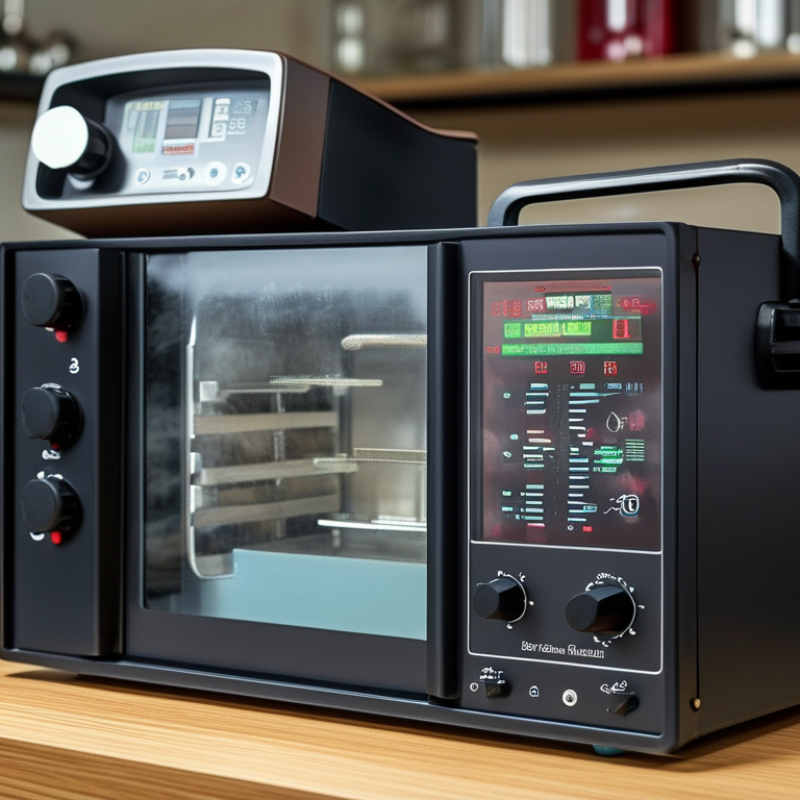
The Bowie-Dick test is vital for ensuring the effectiveness of sterilization in vacuum autoclaves. This test checks for the presence of air pockets in the sterilization chamber. Air pockets can cause incomplete sterilization, potentially leading to infections. By performing this test regularly, healthcare facilities can maintain safety standards and promote patient health.
Tips: Always use a fresh Bowie-Dick indicator pack for testing. Old packs may not yield accurate results. Run the test weekly, or after any maintenance on the autoclave. This consistency helps identify issues early. If the test fails, troubleshoot your autoclave. It may require service or adjustments to ensure air removal.
Understanding the purpose of the Bowie-Dick test is essential. It directly impacts the reliability of sterilization processes. Failure to recognize its importance could lead to severe consequences in clinical settings. Regular testing helps build a culture of quality and accountability in healthcare practices. Always document every test result. These records are crucial for compliance and safety audits.
A vacuum autoclave is essential for validating the effectiveness of sterilization processes. The Bowie-Dick test evaluates air removal and steam penetration, ensuring that these critical factors function properly. Key components of a vacuum autoclave for conducting this test include an effective vacuum system, a steam generator, and precise instrumentation.
The vacuum system is crucial. It should maintain a high level of vacuum to eliminate air pockets. A report from the Journal of Hospital Infection highlights that 90% of sterilization failures are due to inadequate air removal. This statistic underscores the importance of performance within the vacuum chamber. Regular maintenance and calibration of the vacuum pump are necessary to ensure optimal performance.
Incorporating proper steam generator functionality also plays a vital role. A consistent steam supply is required to ensure effective heat transfer. Some autoclaves utilize dual control mechanisms for better monitoring of steam quality and quantity. This prevents variability, which can affect the test outcomes.
Tip: Regularly check the vacuum levels and steam quality before conducting the Bowie-Dick test. Minor fluctuations can indicate underlying issues that may compromise sterility.
It's also important to periodically evaluate the Bowie-Dick indicators themselves. These strips must be stored correctly and used within their expiration dates to maintain reliability. Trust in the results hinges on the accuracy of all components involved.
Tip: Document any anomalies in test results consistently. Doing so helps identify persistent problems with the autoclave, allowing for timely adjustments or repairs.
| Test Component | Description | Importance | Standard Compliance |
|---|---|---|---|
| Bowie-Dick Test Pack | A pack used for testing air removal and steam penetration in autoclaves. | Ensures effective sterilization conditions are achieved. | ISO 11140-4 |
| Vacuum Cycle | Cycle designed to eliminate air from the chamber before steam sterilization. | Critical for ensuring steam can reach all surfaces of the load. | EN 867-5 |
| Temperature and Time | Specific temperature and time combinations must be adhered to for effective sterilization. | Ensures organisms are effectively killed throughout the load. | ANSI/AAMI ST55 |
| Indicator Test Strips | Chemical indicators that change color when exposed to sterilization conditions. | Provides visual confirmation of successful sterilization. | ISO 11140-1 |
| Documentation and Records | Records of each test conducted for verification and validation purposes. | Essential for regulatory compliance and facility accreditation. | Joint Commission standards |
The Bowie-Dick test is crucial for verifying the efficacy of vacuum autoclaves. This test checks the air removal and steam penetration in the sterilization process. Here's a detailed, step-by-step procedure to perform the test effectively.
Begin by preparing a Bowie-Dick test pack. This typically includes a sheet of test paper, which contains a chemical indicator. Place the pack in the autoclave chamber in a way that allows steam to circulate freely around it. It's essential to ensure that the pack is positioned correctly for optimal results. Set the autoclave to the appropriate cycle parameters recommended for Bowie-Dick tests, usually a 3.5-minute exposure at 134°C.
Once the cycle completes, remove the test pack and allow it to cool. Carefully inspect the indicator paper. If the color has changed uniformly, it indicates successful sterilization. In contrast, any uneven coloring suggests inadequate steam penetration. This outcome deserves reflection; it may highlight issues with air removal or autoclave performance. Regular testing is essential to maintain confidence in sterilization methods and ensure patient safety.
Interpreting Bowie-Dick Test Results requires an understanding of sterilization efficacy in vacuum autoclaves. This test evaluates the ability of an autoclave to eliminate air pockets, which can impede the sterilization process. A failed Bowie-Dick test often indicates inadequate steam penetration, which can compromise the sterility of instruments.
Data from the Association for the Advancement of Medical Instrumentation (AAMI) indicates that more than 15% of Bowie-Dick tests may fail under routine conditions. This data highlights the importance of regular testing and maintaining equipment. The test primarily involves observing color changes in the indicator sheet. If the sheet shows uneven coloration, it signals insufficient steam saturation.
Healthcare facilities should maintain a testing schedule. Performing the test daily or before each batch of instruments can be crucial. It's important to note that an outlier result does not always imply a malfunction. Environmental factors, such as pressure and temperature fluctuations, can also affect outcomes. Continuous staff training on interpreting these results is essential for ensuring proper sterilization practices.
The Bowie-Dick test is essential for verifying the effectiveness of vacuum autoclaves used in sterilization. Industry standards emphasize its necessity in ensuring proper steam penetration and sterilization in medical facilities. According to the Association for the Advancement of Medical Instrumentation (AAMI), compliance rates for Bowie-Dick testing should exceed 97% to confirm autoclave reliability.
Consistent testing and adherence to guidelines can reduce the risk of infections. The Centers for Disease Control and Prevention (CDC) recommend testing daily for autoclaves used in critical environments. However, discrepancies often occur. Some facilities report failing tests due to inadequate load configurations or improper equipment settings. These instances underscore the importance of proper training and regular maintenance of sterilization equipment.
Documentation plays a crucial role in Bowie-Dick compliance. Records of each test must be meticulously maintained. This practice ensures traceability and accountability within sterilization processes. Regular reviews of this data can help identify trends that point toward potential issues before they escalate. Inadequate record-keeping may lead to oversights, compromising patient safety and institutional integrity.
: The Bowie-Dick test verifies sterilization effectiveness in vacuum autoclaves by checking for air pockets.
It is recommended to conduct the test weekly or after maintenance on the autoclave.
Use a fresh Bowie-Dick indicator pack and ensure proper positioning in the autoclave for best results.
A failed test suggests inadequate steam penetration and may highlight issues with air removal or equipment performance.
Keeping detailed records ensures compliance, traceability, and helps identify trends that may compromise safety.
Inadequate load configurations and improper equipment settings often lead to test failures.
Uneven coloring signals potential issues with air removal. Review equipment settings and load configurations carefully.
Usually, a cycle of 3.5 minutes at 134°C is recommended for the Bowie-Dick test.
Regular training, consistent testing, and comprehensive record-keeping are crucial for compliance.
It may result in oversights that compromise patient safety and the integrity of sterilization processes.
The article "How to Conduct a Bowie-Dick Test in a Vacuum Autoclave" provides a comprehensive overview of the Bowie-Dick test, which is essential for assessing the efficacy of vacuum autoclaves in sterilizing porous loads. It begins by explaining the purpose of the test, highlighting its role in ensuring the reliability of sterilization processes. The key components of a vacuum autoclave relevant to Bowie-Dick testing are discussed, emphasizing their importance in achieving accurate results.
In detailing "how to perform a Bowie-Dick test in a vacuum autoclave," the article outlines a step-by-step procedure that operators can follow to ensure consistency and accuracy. It also covers how to interpret the test results, helping users understand what the data signifies regarding sterilization efficacy. Finally, the article addresses industry standards and guidelines for compliance, reinforcing the necessity of regular Bowie-Dick testing in maintaining high sterilization standards within healthcare settings.

Onyx Medical